
Best Air Conditioner Brands: Comparison, BTU Guide and Price-Performance Analysis
In this guide, we take a comparative look at the best air conditioner brands on sale in Turkey and around the world and help you choose the best air conditioner for you with our BTU guide.
The most important factors to keep in mind when buying an air conditioner are: brand reliability, energy efficiency, BTU capacity and price-performance balance.

Things to Consider When Choosing an Air Conditioner
Energy Efficiency
Since air conditioners operate continuously, their energy class is of great importance. A++ and A++++ class devices significantly reduce your electricity bill in the long run.
Choosing the Right BTU Value
BTU (British Thermal Unit) is the heating and cooling capacity of the air conditioner. An unduly low BTU value causes the device to be inadequate, while an excessive BTU value wastes energy.
BTU Recommendation Table
| Room Area (m²) | Recommended BTU |
|---|---|
| 10 – 15 | 9.000 – 12.000 BTU |
| 15 – 20 | 12.000 – 18.000 BTU |
| 20 – 30 | 18.000 – 24.000 BTU |
| 30 ve üzeri | 24.000+ BTU |
Inverter Technology
Inverter air conditioners optimize operation according to the temperature change. This results in energy savings of up to 30%, as well as quieter operation and less maintenance.
Service Network and Spare Parts
When buying an air conditioner, not only the device but also the service infrastructure of the brand should be evaluated. Brands that offer fast intervention in case of malfunctions should be preferred.
Best Air Conditioner Brands 2025
Below we compare the 12 most preferred brands according to their technical specifications and performance.
Mitsubishi Electric

BTU Range: 9.000 – 24.000
Energy Class: A+++
Features: Silent operation, advanced sensor technology, inverter system
Pros :Top quality and long life
Cons: High price
Daikin

BTU Range: 9.000 – 30.000
Features: Air purifying filters, Wi-Fi support, inverter system
Pros: Technology, silence and health-oriented structure
Cons: Installation and service charges are a bit high
LG

BTU Range: 9.000 – 24.000
Features: Smart sensors, control via LG ThinQ app
Pros: Ease of use, compatibility with smart home systems
Cons: Some areas may experience service congestion
Samsung
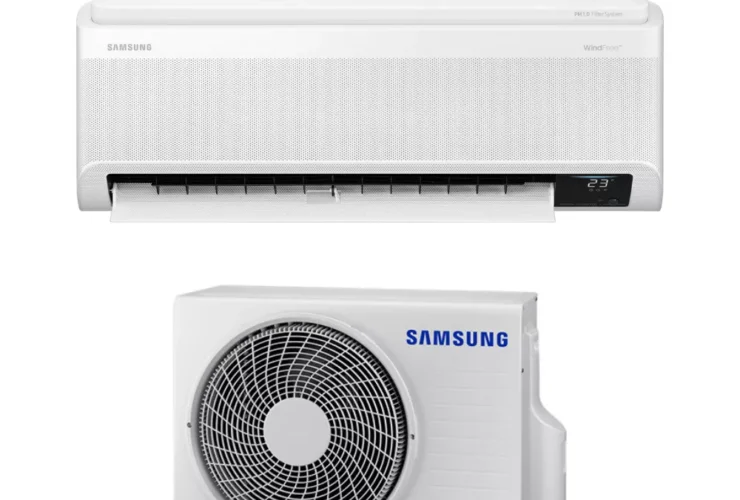
BTU Range: 9.000 – 24.000
Features: Digital Inverter, WindFree technology
Pros: Modern design, quiet operation
Cons: Some users complain about software support
Vestel
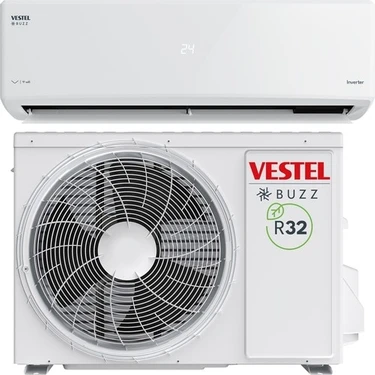
BTU Range: 9.000 – 18.000
Features: Domestic production, inverter technology
Pros: Affordable price, widespread service
Cons: Silence may be lacking in lower models
Arçelik
BTU Range: 9.000 – 18.000
Features: Carbon filter, energy saving
Pros: Strong service network, affordable models
Cons Slow in technological innovation
Baymak
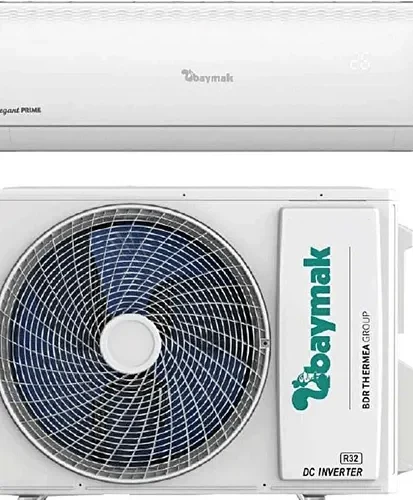
BTU Range: 9.000 – 24.000
Features: Affordable price, silent mode, domestic production support
Pros: Wide sales network, affordable prices
Cons Longevity performance varies by segment
Bosch
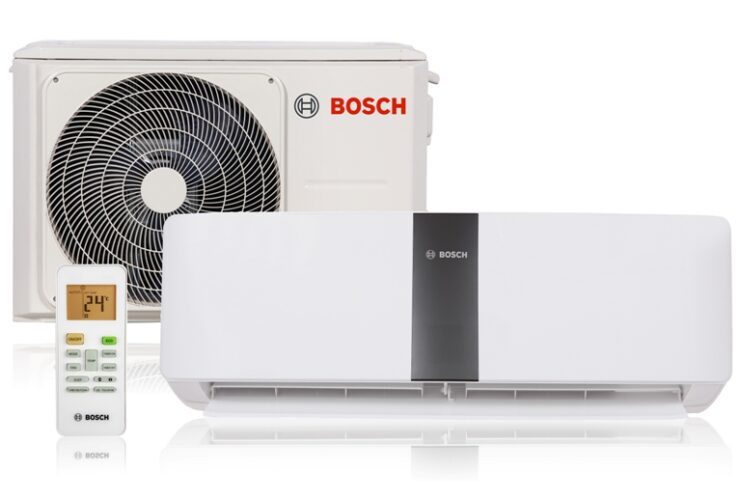
BTU Range: 9.000 – 18.000
Features: Silent mode, heat pump feature
Pros: Long life, quality production
Cons Some models are expensive
Midea
BTU Range: 9.000 – 24.000
Features: Price-performance devices, inverter system
Pros: Wide range of products, affordable price
Cons Service quality may vary by region
York

BTU Range: 9.000 – 24.000
Features: High cooling capacity, energy efficiency
Pros: Industrial quality, reliable performance
Cons Installation price can be high
Best and Cheap Air Conditioner Brands
For those looking for high-performance but budget-friendly air conditioners, these are the brands that stand out:
Vestel Domestic production, affordable price
Baymak Wide dealer network
Sigma – Sansui – Midea: Low-priced inverter models
Depending on your needs, the best air conditioner brand may vary.
Mitsubishi or Daikin are good choices if you want silence and long life, while Vestel, Baymak or Midea are good choices for affordable and adequate performance.
By choosing according to BTU value, you can ensure comfort and savings at the same time.

